I’ve been on a big American Civil War kick this year and have been tearing through books about it. It really fascinates me because it seems like such a crossover point between the old and the new, both in terms of technology, but also in terms of social views, some of which we’re still grappling with today. It marks when our government shifted from a true federal system to a national government. And it is the only war where I have ancestors who fought on both sides of the conflict.
With my personal interest high, I decided to conduct a deep-dive into two ancestors who fought on opposite sides (both in the Western Theater) and see not just their service record, but also their lives before and after the war. As I’ll touch on in the next post, it is near-indisputable that the two came within 100 miles of each other, there is a small chance that the two were within a few miles of each other, and there exists a tiny chance the two interacted directly with each other.
This post is about my maternal great-great-great-grandfather, William Stewart, who served in the Union Army with the 42nd Wisconsin.
Genealogy
My maternal great-grandfather is my namesake, Paul Vielguth, a Methodist pastor from Logan, Kansas. His wife was Louise Gertrude Stewart, born 1899 in Alcona, Kansas. And Louise’s grandfather was William Stewart, who had taken quite a journey to end up in the middle of Kansas.
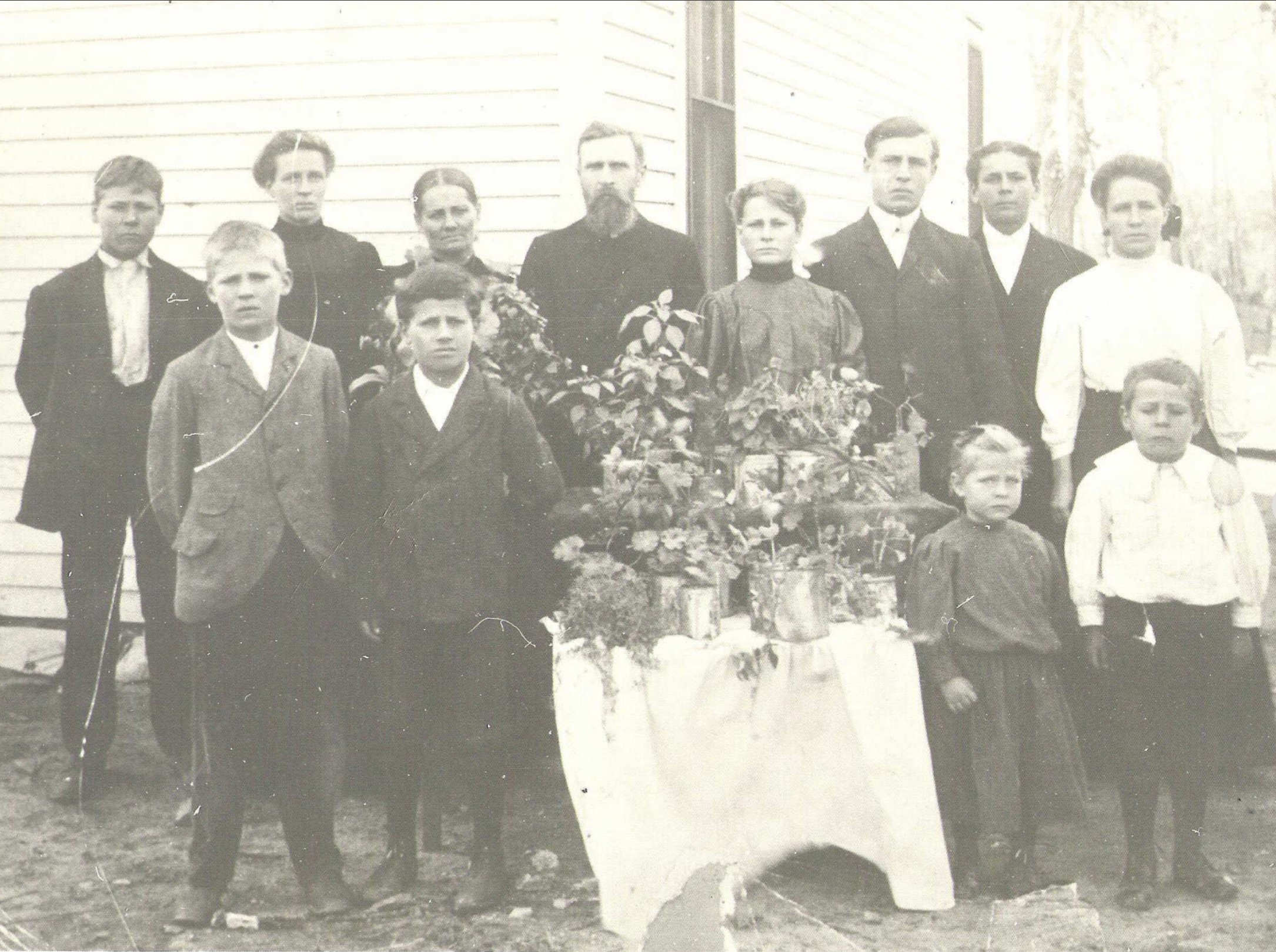
Pre-war Life
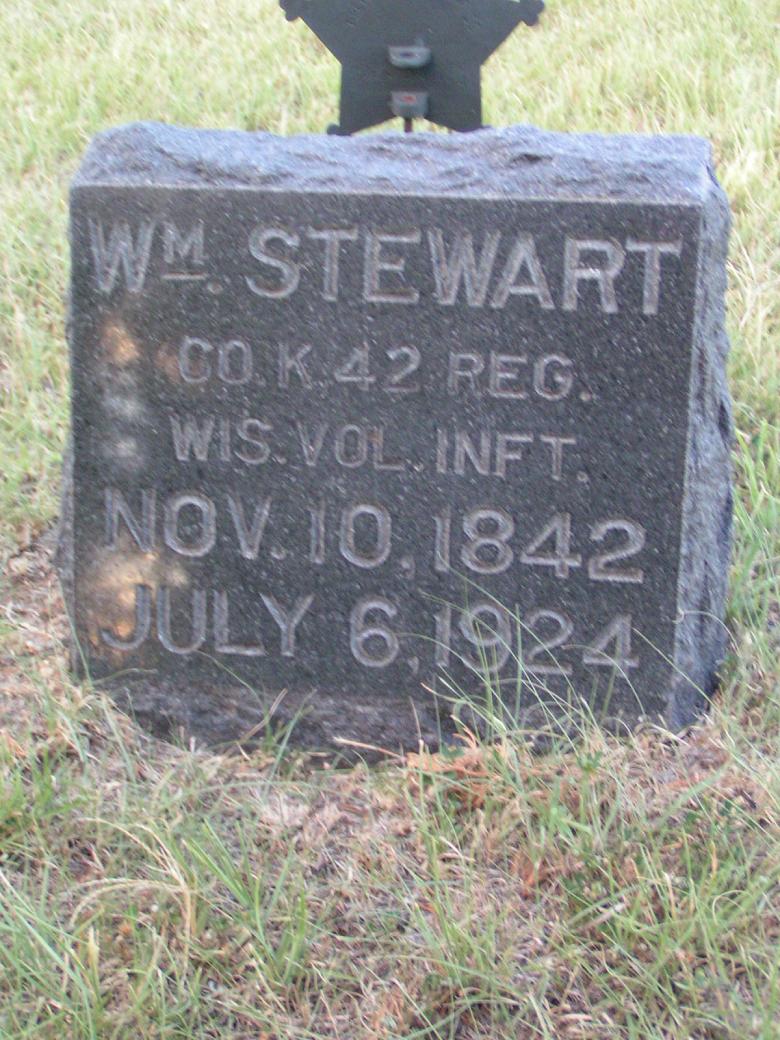
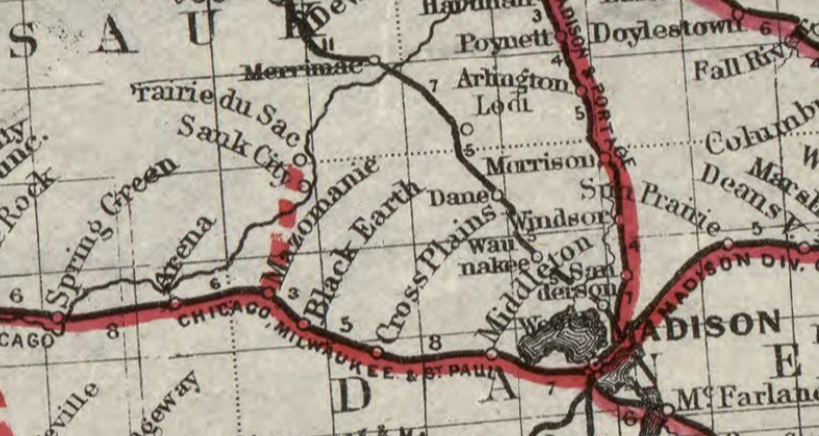
William Stewart was born November 10th, 1843 in Newark, New Jersey to a Scottish father and an Irish mother. He was the oldest of eight. At some point, the Stewarts moved out west to the Wisconsin Territory, and the 1850 Census has them listed as farmers in Honey Creek, Wisconsin. Later, they moved further west to the beautiful Driftless Region of Wisconsin, settling in Troy, Sauk County by the time of the 1860 Census. When war broke out in April 1861, William was sixteen. While some teenagers lied about their age to enlist, it appears William was content to keep working on the family farm for the next several years, as war waged on to the south.
In 1864, two important events occurred in William’s life.
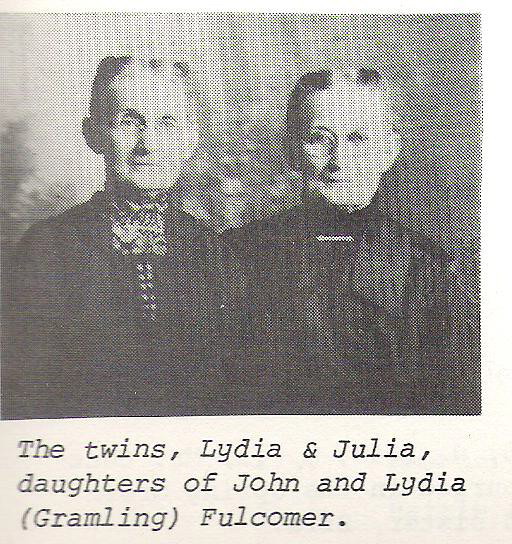
First, on May 8th, 1864, he married a woman on the other side of the Wisconsin River, Julia Ann Fulcomer (born October 24th, 1846). She was born with a twin sister in Fairfield, Ohio to parents from York, Pennsylvania. The family made their way west and settled in Roxbury, Wisconsin. How the two met is unknown, but it likely would have been in Sauk Prairie (the twin villages of Prairie du Sac and Sauk City), which was the nearest hub for both communities, being on the Wisconsin River and thus connected to the Mississippi and the wider world.
The second big event was to occur three months later, when William enlisted for one year in the Union Army on August 23rd, 1864. He was twenty years old.
We don’t know why William enlisted, but we can hypothesize some reasons. Being twenty, he was now eligible to be drafted. Enlisting would give him a sign-up bonus and more control of where he’d end up, while draftees received no such benefits. Additionally, while the outcome of the war was not settled in August of 1864, it was looking very favorable for the Union. Atlanta and Petersburg had been besieged for months, with the armies of Tennessee and Northern Virginia holed up within them. Finally, if he was killed, his wife would receive a pension from the Federal government, while his family would have received no such benefit when he was unmarried.
Military Career
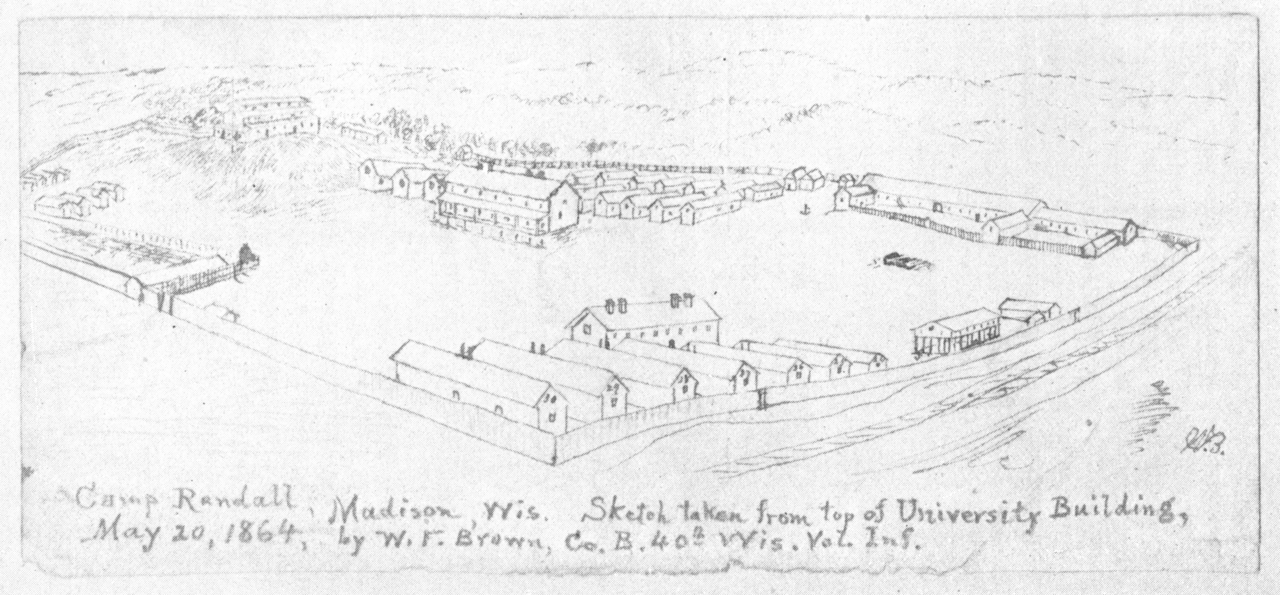
Whatever the reason, William was at Camp Randall in Madison (which is now where the Wisconsin Badgers play) on September 7th for the organization of the 42nd Wisconsin Infantry Regiment. He was assigned to Company K under the rank of Private.
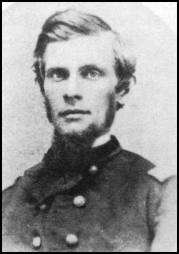
Placed under the command of the handsome Col. Ezra Thompson Sprague, the 42nd left Wisconsin two weeks later and headed south.
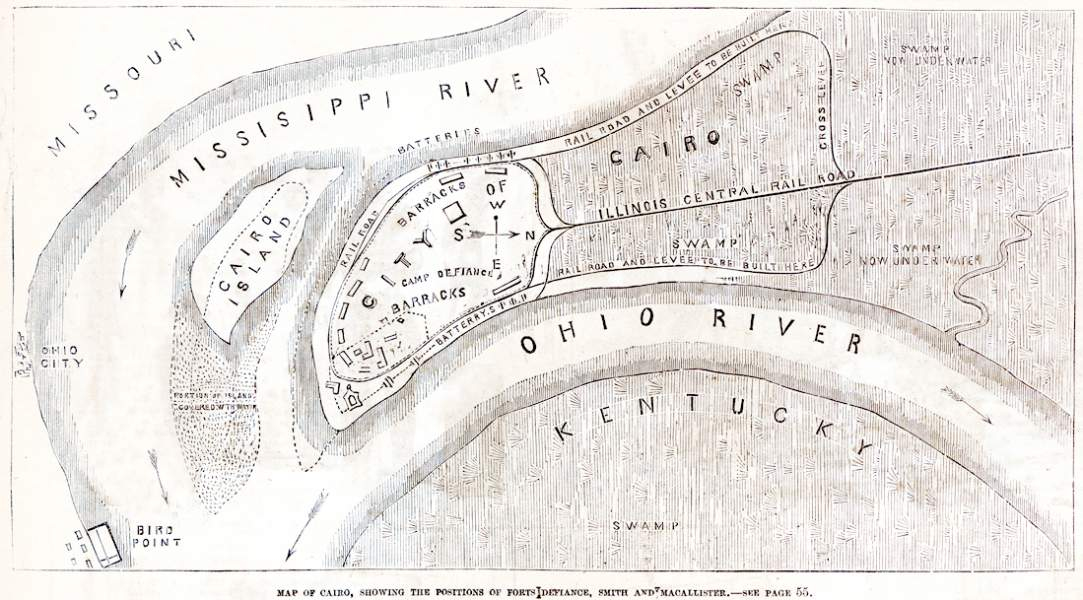
They were garrisoned at Fort Defiance in Cairo, Illinois. Located strategically at the confluence of the Ohio and Mississippi rivers, it had played an important role in the early war by preventing Confederate movement through the Ohio in the struggle for Kentucky. By late 1864 though, it was far from any real conflict.
After a month, Company K, now under the control of Lieut.-Col., W. Wallace Botkins was reassigned to Springfield, Illinois. There they took on the responsibility of capturing Union deserters and forwarding draftees to rendezvous points. They then returned to Cairo and remained there through June 1865, by which point all Confederate armies had surrendered. They were mustered out of Milwaukee on June 20th, 1865, having seen no fighting. 58 out of the approximately 1,000 men in the regiment died of disease during their service.
From Milwaukee, William likely would’ve taken the railroad to Spring Green and walked roughly twelve miles home to Troy. He must’ve been very eager to see his wife, as a little over nine months later, his first son, Alexander was born!
Post-war Years
William remained in Wisconsin for at least another decade, working as a farmer and fathering three additional sons, including my maternal great-great-grandfather, Grant I Stewart. Somewhere in 1877-1878 though, he moved his family to a farm in North Central Kansas, where he would father two more daughters and a son.
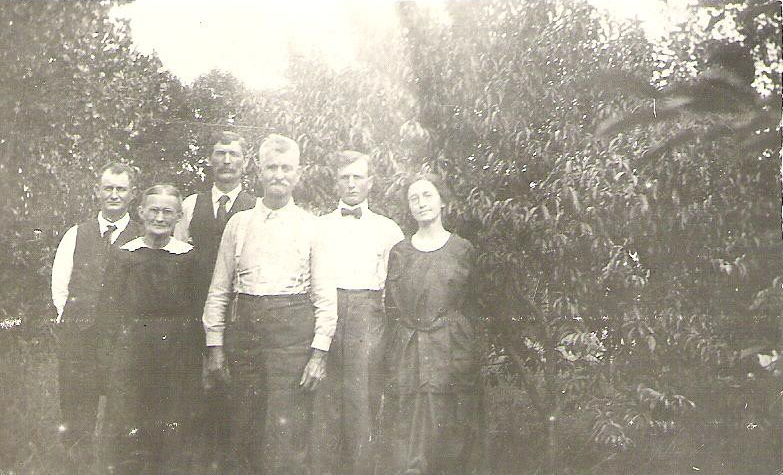
In Stockton, Kansas, he joined the local post of the Grand Army of the Republic, a Civil War veteran society.
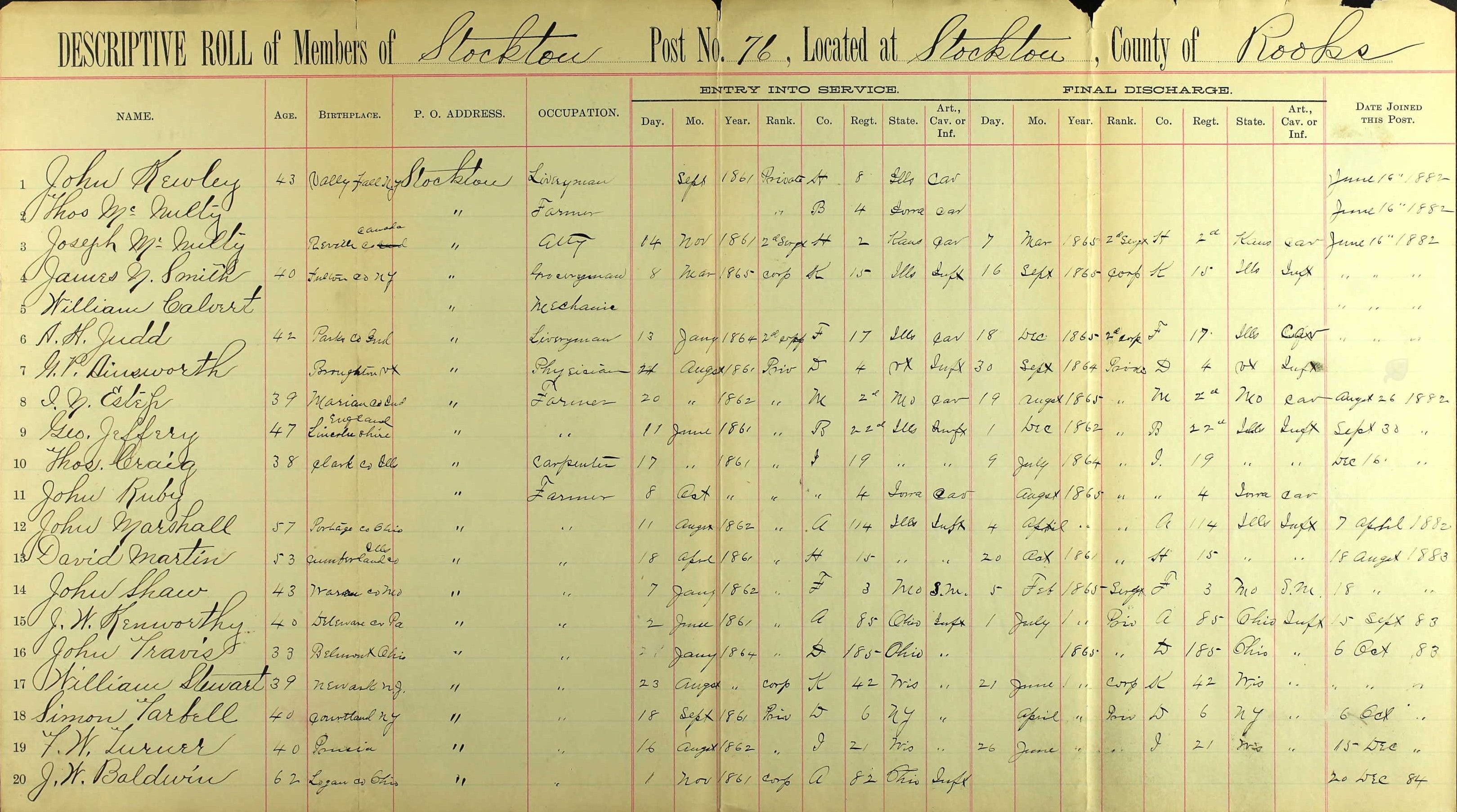
At some point, he seems to have switched away from farming. By 1900, he was working as a deputy county official and in 1910, at age 67, he was a coal dealer for Stockton, Kansas.
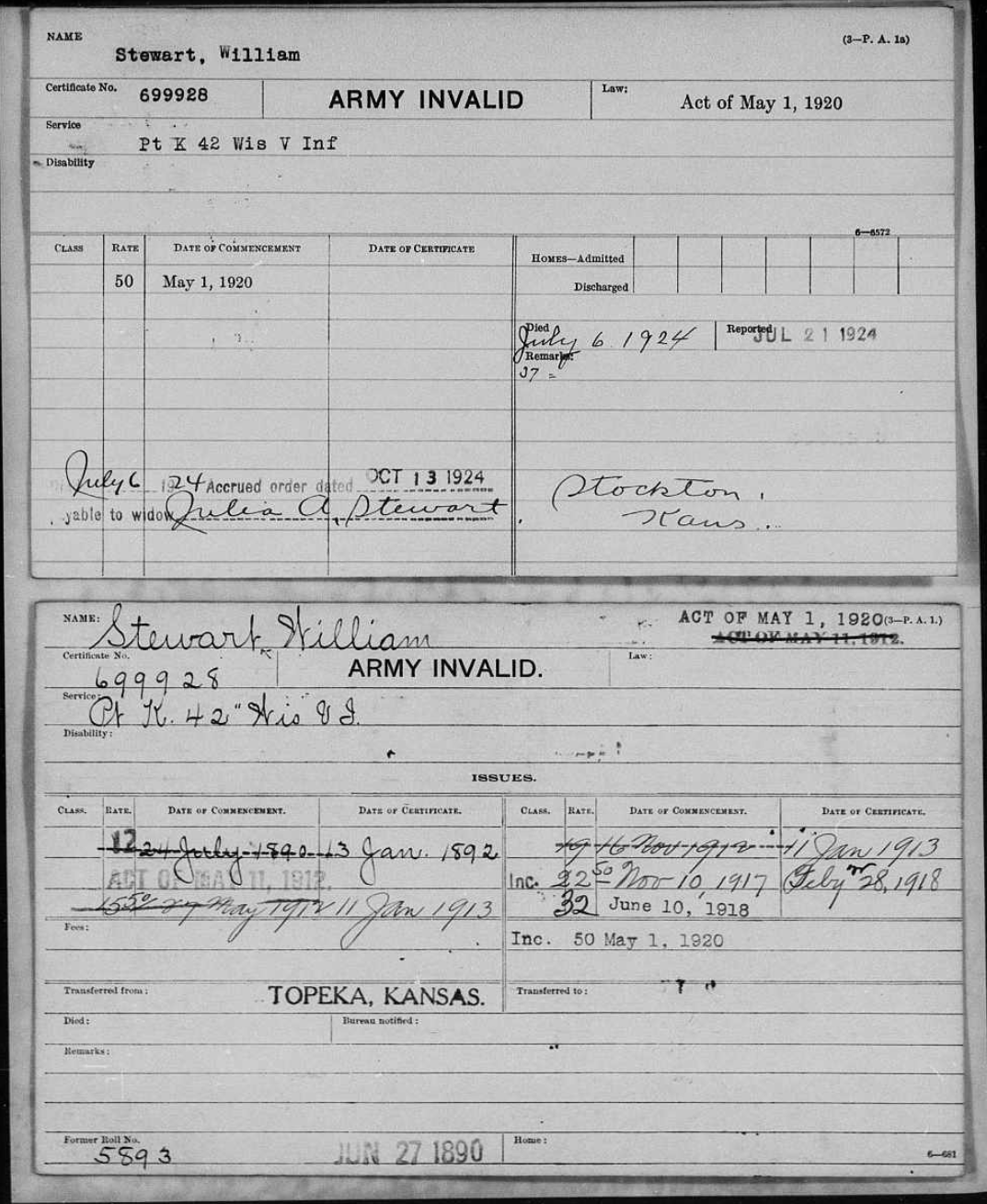
His military service, while unexciting (his company never seems to have left Illinois), paid off quite well later on in life. In 1907, Civil War veterans were eligible for pensions simply for being old. By 1912, William would have been receiving $30/month ($1,022 today) and by his death in 1924, would be getting $50/month ($976 today). His widowed wife would continue to receive the pension until her death in 1926. At a time when government social services were effectively nonexistent, this was no small deal.